Considering that the human body is made up of 75% water, the importance of consuming enough water daily comes to light. Water consumption, which has positive effects on metabolic rate and balancing blood pressure, is also the protagonist of a diet that has become popular recently, in addition to such advantages: the water diet. The water diet, which has spread by word of mouth, especially through social media users, and has entered the current diet lists, allows you to lose weight by burning calories in a short time without the need for exercise when applied consciously and in a controlled manner. Thus, it allows you to get rid of your excess weight in just a few days without doing heavy exercises.

What is a water diet?
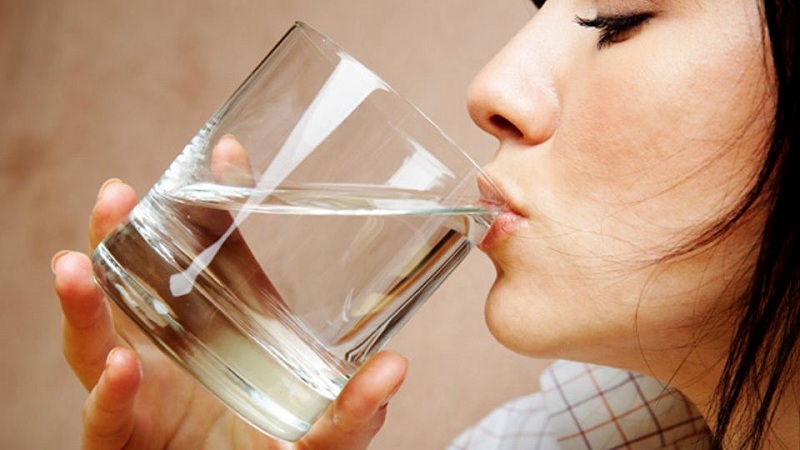
The water diet is based on not consuming any food other than plenty of water and liquids during the day. There is of course a theory behind the water diet, which has speculations about its first appearance and the date it was recommended. According to this theory, which is fed by information about human biology and the research done on it, when cold water is drunk, the body burns extra calories to match the temperature of the water to body temperature. This makes weight loss faster and easier. With this diet, which helps to leave behind the neglected water consumption in daily life and to consume enough water, the kidneys work more and toxins are eliminated from the body. Water, which helps to protect the joints and therefore the spine, also helps to regulate body temperature by balancing blood pressure.
How to do a water diet?
The water diet, which creates a detox effect on the body and accelerates calorie burning, is applied by consuming at least 2 liters of water or liquid daily. In addition to water, which makes you feel full, attention should be paid to other liquids consumed in order to prevent blood pressure from dropping and to obtain necessary nutrients. Health experts warn that it is extremely harmful to apply the diet by consuming only water, and recommend that foods with high liquid content and nutritional values be added to meals in addition to consuming plenty of fluids. In the short-term water diet, a glass of warm lemon water to be drunk after waking up in the morning is extremely beneficial for starting the day energetically and starting the metabolism. Lemon protects cells from free radicals thanks to the vitamin C it contains, preventing cardiovascular diseases. In addition, it reduces weight gain with the help of the polyphenol antioxidants it contains and suppresses the hunger urge by balancing the production of the leptin hormone in the body. In other meals, it is necessary to pay attention to the foods consumed in order not to lack the nutrients the body needs. Including fresh fruits with high water and fiber content in the diet is beneficial in terms of obtaining the necessary vitamins.
Breakfast:
-1 glass of freshly squeezed orange juice
-6 fresh strawberries and oatmeal
Snack:
-A glass of warm herbal tea brewed with fresh ginger and dried chamomile
Lunch:
-2 glasses of water
-2 bowls of vegetable soup
-Mediterranean salad
Snack 1:
-3 walnuts
-Green tea
Snack 2:
-2 slices of fresh pineapple
-1 apple
Snack 3:
-Green salad made with low-fat cheese
-1 glass of water
Dinner:
-2 glasses of water
-2 bowls of vegetable soup
-1 serving of boiled vegetables
-1 bowl of homemade yogurt
Snack:
-15 grapes
-1 peach
-1 glass of water
Harms of water diet / things to watch out for
The water diet, which has been preferred recently because it promises weight loss in a short time, brings with it many health problems if not applied consciously. Before starting the water diet, sufficient research should be done and the person should not have any health problems. People with gout, diabetes and kidney diseases should avoid this diet. It is recommended that the water diet applied be terminated in 3 or 5 days. The diet that will be applied for more than 5 days must be carried out under the supervision of a specialist.

This article is for general information purposes only and is not a prescription. You should not apply any nutrition program or diet without consulting a nutritionist and/or dietician. We would like to remind you that those with serious, chronic illnesses should also consult their own doctors.
Comments
Post a Comment