The fact that there is a health institution named after him in every city, that his name is always mentioned when medical science is mentioned, that doctors still resort to his knowledge even after a thousand years, and that his diagnoses and prescriptions still enlighten us today is both incredible and respectable.
Ibn-i Sina. As foreigners call him, Avicenna. As everyone thinks, he is the Doctor of Doctors.
A scientist who specializes not only in medicine but also in very different and diverse fields such as physics, chemistry, astronomy, philosophy and literature.
We wanted to take a closer look at the ideas of the great physician Ibn Sina, the scientist and scholar who laid the foundations of today's medicine and to whom we owe a lot in terms of health and many other issues, on health and food.
Here you go, sir.

This is how anemia manifests itself: Skin yellowness
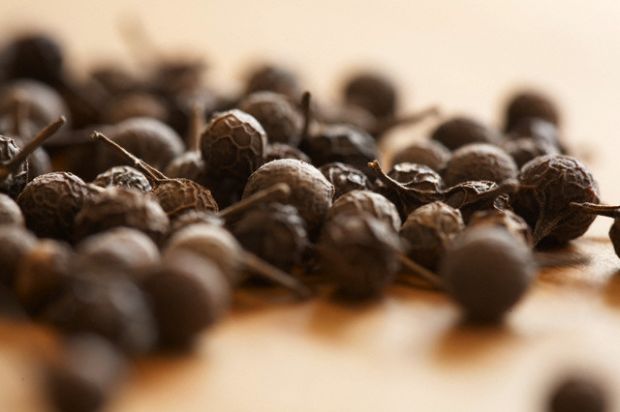
Various diseases, sadness, hunger, excessive sexual activity, pain, hot weather, drinking stagnant water, using too much vinegar can turn the skin yellow, and even eating soil can block the opening of the veins and prevent blood from reaching the skin. While explaining the anemia caused by eating soil, Ibn Sina associated eating soil with anemia exactly 1,000 years ago.
He summarizes the natural remedies that protect the skin color and give blood to the skin as follows:
- Foods that make blood and increase its color: Chickpeas, soft-boiled eggs, meat broth, basil and beverages made from basil, and figs.
- Foods that purify the blood: "itrifil-i sagîr" (leaves) and "helilec murebbai" (fruit-based gelatin).
- Foods that spread blood throughout the body and skin and improve the skin color: Haltit, fülfül, clove.
Secret oils: Eye disorders
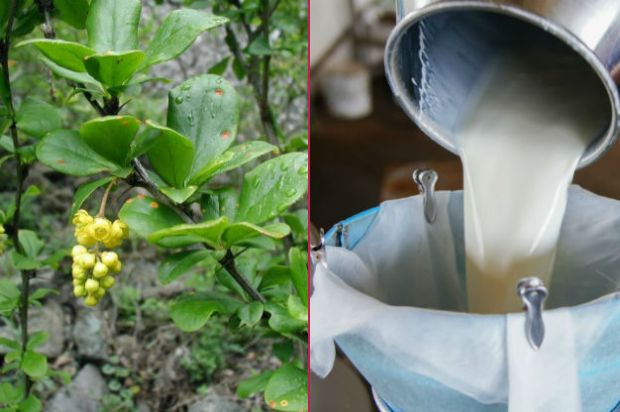
Ibn-i Sina recommends using rose oil (oleum rossae), anzorot (sarcocolla) and hiltit (asafoetida) for eyelid fullness and styes. He also recommends using rose water for swelling, inflammation and wounds on the eyelid. It can be diversified as an ointment, dressing or eye wash. He also recommends putting a drop of olive oil in the eye after birth and baths for eye care in babies.
In conjunctivitis, he recommends mixing thorn berries with milk and applying them to the eyelids, and washing the eyes with basil juice mixed with chamomile essence.
For night blindness, he recommends eating liver, which is now treated by giving vitamin A. Liver is known to be a food rich in vitamin A.
What they did when it throbbed: Headache
Now we know what to do when a headache strikes, but what about centuries ago when there was no cure?
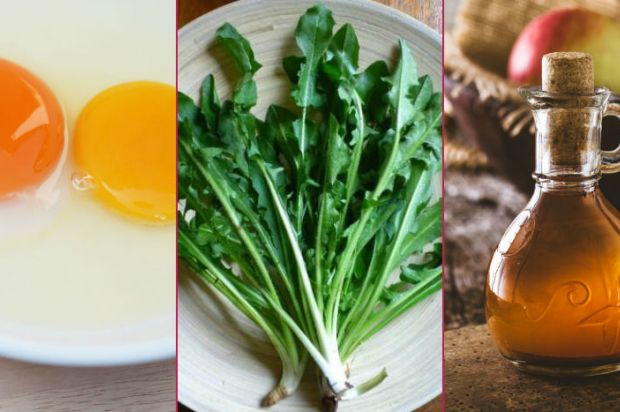
Those who lived during the time of Ibn Sina were luckier because it was clear what to do: Egg yolk, chicory and vinegar. Because the blood needed to be cleaned by removing the dirty blood from the body. Medicines were natural and helped relieve pain.
A little unpleasant but true: Bad breath
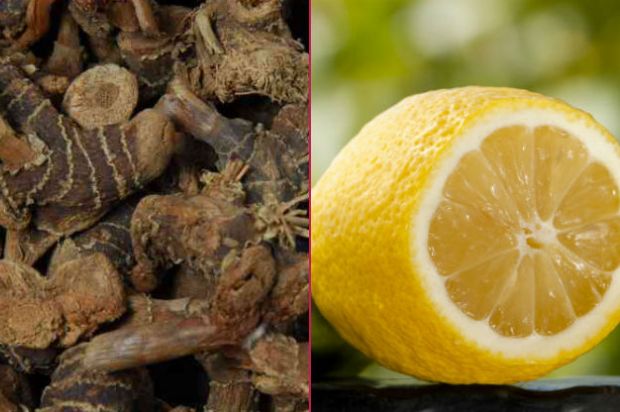
The great physician, who offered solutions to almost all problems in our body with herbs and foods, of course also offered a solution for bad breath.
Here is the recipe.
Add 3.5 grams of galangal, 105 grams of peeled lemon, 3.5 grams of dry ginger, 3.5 grams of cloves, 3.5 grams of coconut, 3.5 grams of green pepper, 700 grams of musk, 3.5 grams of cardamom, 3.5 grams of cinnamon and honey and mix all the ingredients. You can get rid of bad breath and relax your digestive system by consuming the mixture that has become a paste.
Those who suffer know: Kidney stones
"There are two most difficult pains in life. One is labor pain and the other is kidney pain," say those who know. There is nothing to do about labor pains, but there is something to do about kidney pains caused by kidney stones.
Here is the solution for kidney stones and pain according to Ibn Sina's description.
The medications that can be given to the patient are as follows.
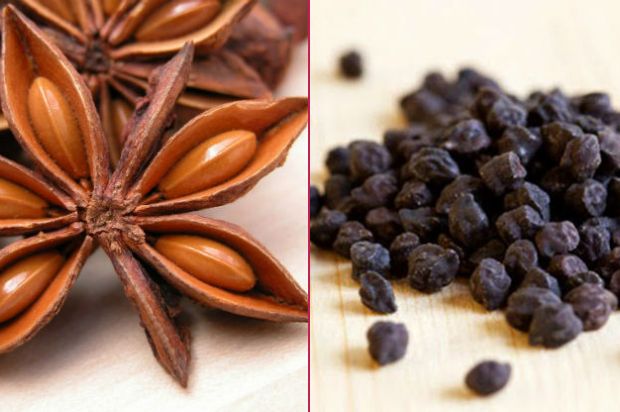
1- Unhulled watermelon seeds or ground grape seeds or celery and anise seeds.
2- Thorn seed, rose seed, rose, mallow seed, molehiya seed are ground to the weight of one dirham each, crushed and drunk with fresh, sour beverage.
3- Bitter almond oil and black chickpeas, staying away from heavy meals and dairy products.
Only time does not heal heartbreak: The pain of love
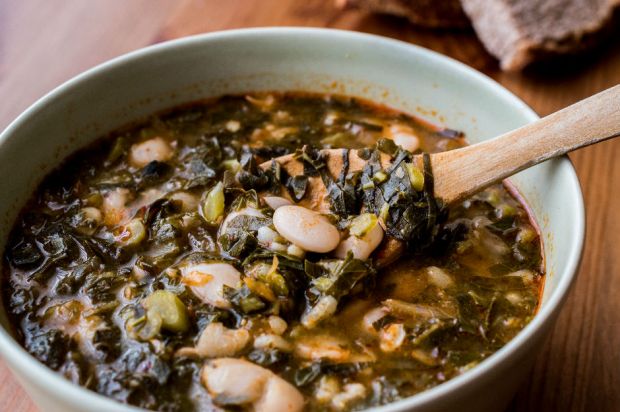
Although we say that time is the cure for all heartbreaks today, Ibn-i Sina has already suggested different medicines for that pain. It turns out that time is not the only medicine. For example, those who are heartbroken due to blind love should drink breast milk if they can find it, eat natural (and hormone-free) chicken, go to the Turkish bath a lot, smell violet, almond, pumpkin and poppy seed oil, drink plenty of fluids and drink soup, and eat green vegetables.
In fact, when you look at it, Ibn Sina describes how to regulate the body's balance that would otherwise be disrupted due to depression, how to provide energy, and how to refresh and renew. It is hard to believe that he wrote these 1,000 years ago.
Fact of life: Lack of sexual desire
Of course, it was not expected that the timeless physician, who had solutions for everything, would not also have solutions for sexuality.
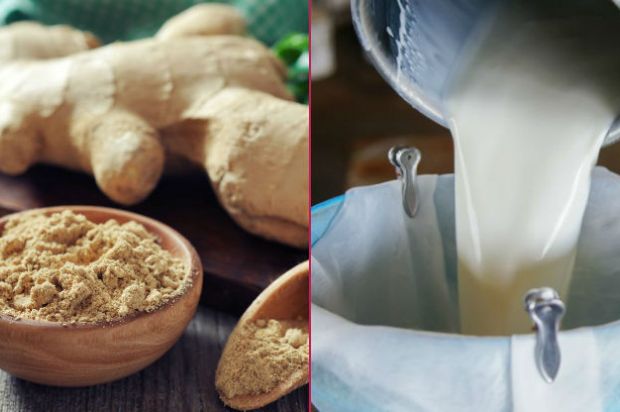
The prescription he gave to those who came to him with these complaints was as follows: They were given ginger, sweetened milk and oily bitter buttermilk, they were fed fish, bird meat, natural chicken meat, and their waists were rubbed with jasmine oil and yoghurt.
There is nothing on the prescription: Asthma/shortness of breath
Ibn Sina did not forget those who had shortness of breath or asthma.
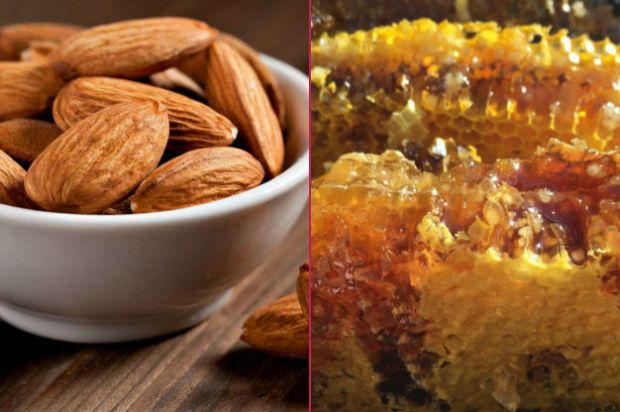
The doctor explained what to do when you see someone holding their chest and having difficulty breathing while walking on the road: "Feed them cooked dried hyssop, scallions, astragalus, yellow figs, unshelled almonds and honey and drink them. Also feed them chickpea juice and dill with walnut oil and drink hot water."
How true it is: Some advice for health

Ibn Sina has various recommendations from nutrition to sleep, from movement to daily life. We thought it would be a shame not to mention these while we are talking about diseases and we have compiled examples of his valuable recommendations.
• What we eat and drink is one of the causes of diseases. (That's why we should be careful about what we eat and drink.)
• Those who lose weight in a short time may gain weight in a short time. Those who lose weight in a long time may get fat in a long time.
• Eating 2 meals a day is health, eating 3 meals a day is disease.
• Nothing else should be eaten before the food is digested.
• Different types of food should be eaten, not just one type.
• One should move, walk slowly, not quickly.
• Sweets make blood flow and have a positive effect on sexuality. However, pastry sweets are difficult to digest and clog the veins.
• Drinking water during meals quenches thirst, but not more than the meal. Also, warm water is useless.
• Sleeping rests the organs and ensures the digestion of food. It protects the person and the soul. It is necessary to sleep a sufficient amount; not less, not more.
We didn't know any of them: Examples of foods and their benefits included in Ibn Sina's prescriptions
The great physician also mentions some foods in his books. Even today, the foods we consume a lot have benefits that we never realized. Whatever you say:
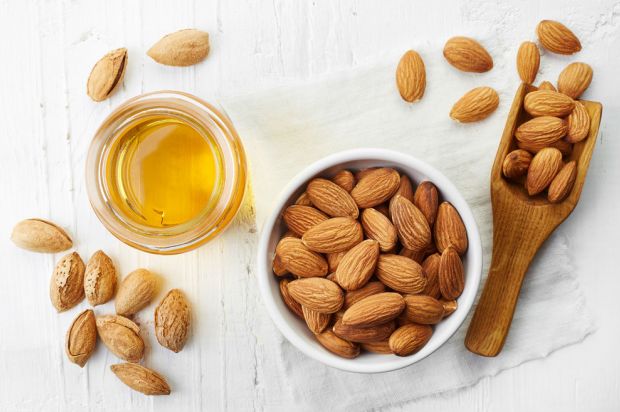
• Almond oil: Also known as a thirst quencher, emollient and laxative during travels.
• Black pepper: Appetite stimulant, cold reliever, cough suppressant. A perfect throat friend.
• Pomegranate peel: Antidiarrheal, anticoagulant, tapeworm reducer. Its preparation is also simple: Boil 100 gr. sour pomegranate peel in 2 liters of water and wait for it to cool. When you drink this water after it has cooled, your diarrhea will stop.
• Sumac: Used in wound treatment and as an antidiarrheal, Ibn-i Sina describes how sumac can be mixed with honey and applied to wounds. Sumac can also be given to seasick people during travel to relieve their complaints.
• Radish: It is good for digestive and liver blockages. It also helps with hair loss, acne, erases scars and relieves cough.
• Chicory: Good for chest tightness and the heart.
• Cinnamon: Cinnamon is the number one name in eye diseases, especially cataracts.
• Fennel: If you have eye discharge, you can relieve the discharge by applying fennel like eyeliner.
• Quince: Especially women can reduce bleeding by consuming plenty of quince during their menstrual period.
• Melon: Parsley is always consumed as a diuretic, but melon deserves its due. However, melon, which we consume a lot in the summer, is a diuretic and diuretic.
Comments
Post a Comment