You are at the dinner table and the familiar smell of meat fills your nose. You close your eyes and imagine that delicious flavor. However, a small question mark appears in your subconscious: Could this meat be spoiled ? Fear not, because today we will guide you on this subject. We need to embark on a very important journey together to discover the insidious signs of spoiled meat. Understanding meat after it has been cooked can be a little more difficult than raw meat. After learning the clues that raw meat gives you, from its smell to its color and texture, you will be very happy that you and your loved ones will be safer in this regard. Don't miss this article to learn how to choose your red meat from the very beginning !
Thanks to the tips provided in these articles, you will be able to make an assessment with your own observations before consulting a specialist. An unpleasant odor spreading throughout the kitchen , color changes , differences in texture and consistency , abnormalities in the packaging and microorganism formations are among the signs that will make it easier for you to recognize spoiled meat . Now let's explain these concepts in detail!

Smell
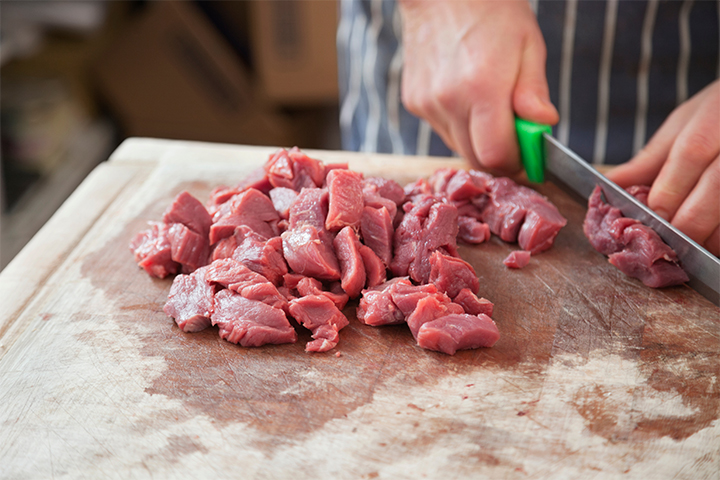
Fresh meat should have a slightly metallic and fresh smell. Spoiled meats emit a sharp, sour and unpleasant smell. The factors that create the smell change are bacteria such as Escherichia coli and Campylobacter that grow in the meat . The point to be considered here is; if the color and texture of the meat you buy looks normal, but its smell is disturbing, you should definitely not consume it. The reason for this is that spoilage starts with smell. Then color and texture follow. Since most people today are subject to a quality test focused only on color, poisoning has increased considerably. The smell, which is harder to detect in cooked meats but still gives the feeling of rotten meat , is the first signal of danger. Especially if there is even 10 grams of spoiled meat mixed into the meat you buy, you will feel that smell the moment you open the package. As time goes by, it will reoccur in fresh meats and reveal very harmful components .
Color Change
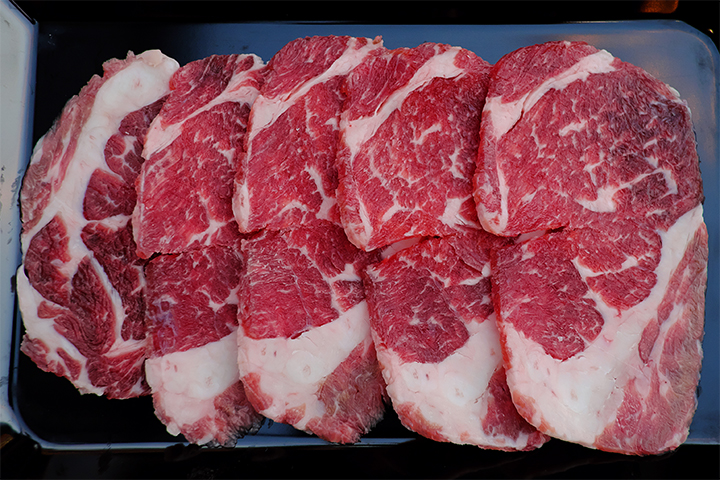
Another important point is color. Although it seems like an element that most of the society is aware of, there is quite a bit of misinformation about the ideal color of meat. If we go a little deeper here, you will understand better. During the cutting process of meat, in scenarios where the correct processes are not applied, there is a lot of compression in the muscles and connective tissues after the cutting is done. This is a sign of a condition called " rigor mortis ". This condition, also called rigor mortis , creates a clear difference in the color and texture of the meat. The solution is to rest the meat . Sound familiar? Every Eid al-Adha is an example of this situation, where experts insistently recommend resting the meat and consuming it later, and people who do not listen to this look for tips to soften the tough meat. If we put aside this process that occurs at the very beginning, there are color changes such as dark gray, light green, dark yellow for meat that has gone through all the right processes but has still spoiled for various reasons . There is a common detail in these colors that change according to the type of meat (beef, chicken, turkey, etc.); the color change starts from the outermost part that is in contact with the air . This is the reason why meat sold in slices spoils more quickly. The surface area and the part that comes into contact with air have increased. Fresh meat should be vibrant, pink, light red in color. We do not recommend using meat that is bright red due to the risk of using colorants.
Texture and Consistency
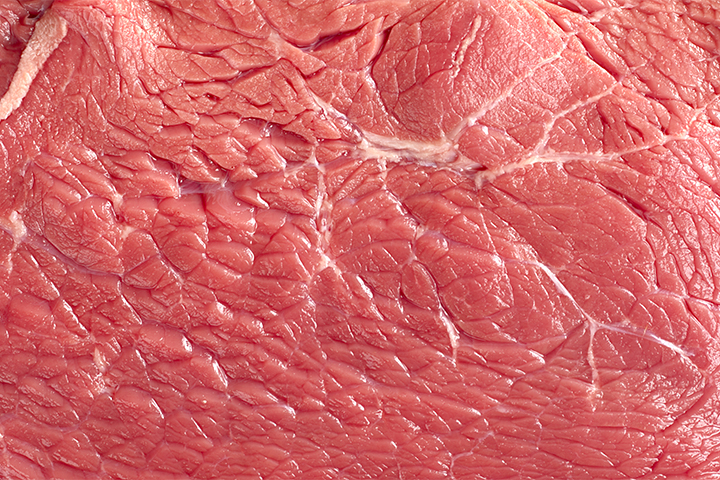
Fresh meat usually has an elastic structure and quickly returns to its original shape when you press it lightly with your fingers. It is moist and feels fresh. However, spoiled meat can be loose with a watery or sticky texture. If bacterial growth has also started, you will notice that it is quite slippery. Another sign of spoilage is the presence of various layers with different textures on the meat. If your meat falls apart immediately when you pick it up, it is most likely already spoiled. A dry and flaky texture is also an undesirable sign.
Expiration date
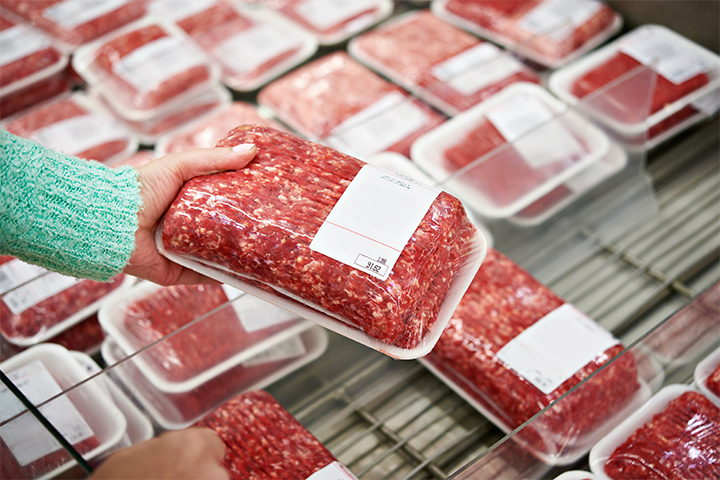
It is important to check the expiration date to track the deterioration process of meat. It is not recommended to consume meat that is 2 or 3 days away from the expiration date. If there is any tearing, puncture or swelling in the packaging, this may be a sign of deterioration. Air contact is effective here, deterioration begins in meat that comes into contact with air . Another point to pay attention to is the cold chain . Meat must be kept at a certain temperature at every stage from the production process, packaging, transportation and the time it reaches you. This is called the cold chain. When there is a deficiency somewhere in this process, meat may begin to deteriorate. For example, leaving meat that is taken out of the refrigerator in the markets and then abandoned to buy somewhere outside the refrigerator is an example of the disruption of the cold chain. Such meat should not be purchased, and the market attendant must be informed. Another saddening issue is the frequent label changes today . Meat that you buy by paying attention to the expiration date may be spoiled when you get it home. Again, we recommend that you inform the relevant company and provide a refund.
Microorganisms
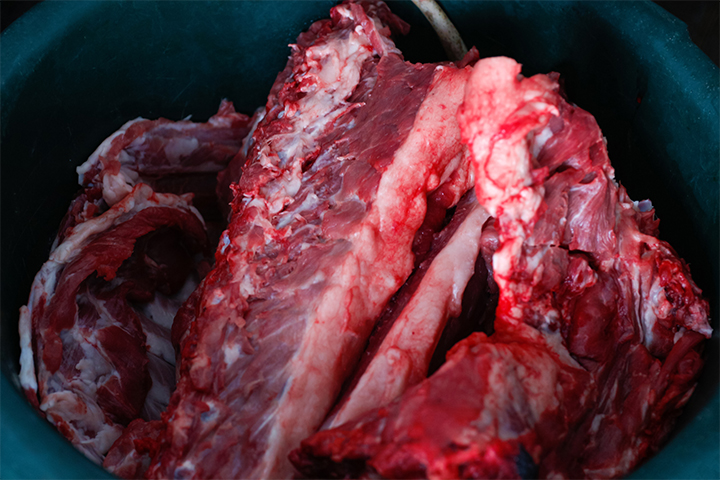
As we mentioned before, there may be various microorganisms growing in spoiled meat. These microorganisms are usually invisible to the naked eye, but sometimes they can give signs that you can see with the naked eye. White spots, molds or black spots are examples of these. It is important to pay attention to these points to understand whether the meat has spoiled or not.
We are slowly approaching the end of the article. After explaining these headings nicely, we cannot fail to mention a few other issues regarding meat. What you will read now is at least as important as the headings above. You can store fresh meat that you buy or obtain during the holiday in your freezer for 6 to 12 months . Our recommendation is to portion it per meal and store it that way. Taking the meat out every time, thawing it and placing it back in the freezer will cause incredible bacterial growth in the meat. It is also very harmful to bring it directly to room temperature when you are going to use it. You should first put it in the bottom part of the refrigerator, thaw it there, bring it to room temperature and use it in meals. In the meantime, be sure to review our article here to learn how to store your meat in the healthiest way possible in the freezer . Another well-known mistake is washing meat . Meat, regardless of whether it is chicken or red meat , should not come into contact with water . This causes bacterial growth and rapid deterioration .
After paying attention to so many things for your fresh meat, we would be remiss if you did not read this article to cook great meat: Tips for Cooking Steak
Meat sauté , meat boiled , tender meat roast , homemade meat doner and meat casserole recipes are also ready here!
Comments
Post a Comment