Bleach... A substance used in many different areas of house cleaning, known to be both beneficial and harmful, but indispensable. When this substance comes into contact with clothes and fabrics in particular, unpleasant situations arise, and after stained clothes , the subject comes to the question of "How to remove bleach stains?"
If your favorite clothes or other household items, such as sofa fabric, are stained by bleach, be sure to check out the bleach stain removal methods waiting for you below . Learn how to camouflage them if necessary. Here you go...

How to remove bleach stains?
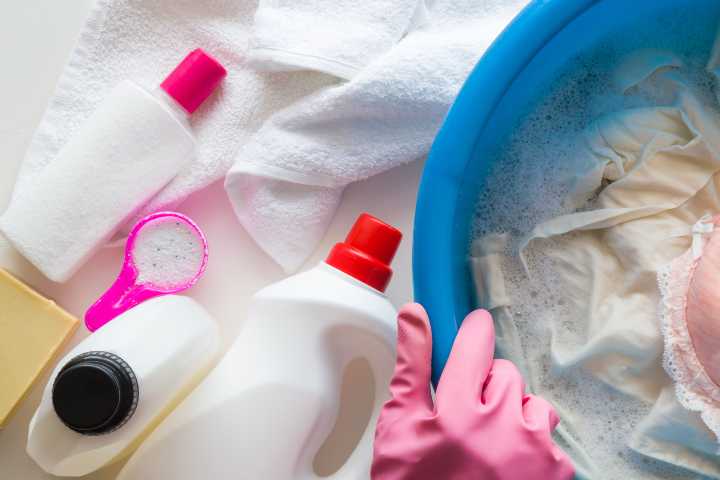
Let's start quickly by answering the question of how to remove bleach stains and how they go away . Of course, the methods you will apply will vary depending on the fabric, texture and how long your item with the laundry stain was exposed to bleach. For this, do not forget to choose the most suitable method for you from the following:
- It is important to deal with bleach stains as quickly as possible. For this reason, you should take action as soon as you notice that your belongings have been exposed to bleach stains.
- You should immediately rinse the area where the stain is with cold water. If it is a washable fabric, you should wash it with plenty of water. If you cannot directly lift and wash surfaces such as sofas, you should wipe it well with plenty of water and a sponge.
- If bleach is spilled and washed with plenty of water, there will be no bleach stains or they will be barely noticeable.
- If there is still a bleach stain, you can use sodium thiosulfate solution, which is commonly used by photographers but is known to neutralize the lightening effect of bleach.
- It will be enough to apply the solution to the stained area, wait for a while, then wipe it and wash your item.
- If you are looking for materials that can be found in every home, you can clean the area where the bleach stain occurred with white vinegar.
- Pour white vinegar on the stained area and gently wipe it with a clean sponge, you will notice that the color gradually balances. Then you can wash and clean your item as usual.
- If a bleach stain occurs on a very delicate fabric such as silk or wool and the above methods do not work, we would like to remind you that you can get support from professionals such as dry cleaning.
How to camouflage bleach stains?
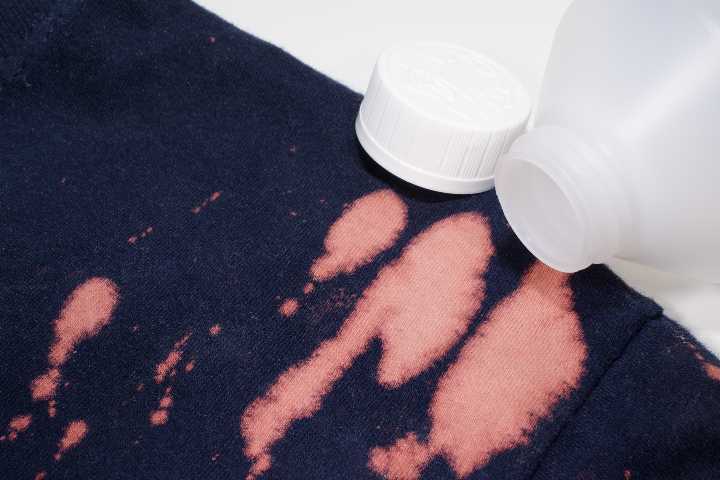
If the surface/fabric/texture where the bleach stain is is a difficult texture and you do not dare to remove it, or if the bleach stain does not come out no matter what method you try, you can also try camouflaging methods. These steps may give you an idea on this subject:
- If you have bleach stains on your leather or another type of fabric that is suitable for dyeing, you can dye the stains with leather dye or other fabric dyes suitable for your fabric type.
- You can add a colorful touch to the surface where the stain is located by finding a paint suitable for the type of fabric and drawing patterns according to your taste.
- If the bleach stain is large or in a suitable place, you can make patches on it in the same color or in different colors and patterns.
- If you have sewing or embroidery skills, you can make the stained area colorful and cute with these methods.
- If the bleach stain is caused by splashing and the stains are individual and in the form of small circles, you can still color these areas with buttons.
- If there are laundry stains on your clothes or bags, you can get support from accessories such as brooches and badges.
- Finally, to give a batik effect to your bleach stained items, you can apply diluted bleach to the undamaged areas to create a completely stained batik item.
What should be taken into consideration when removing bleach stains?
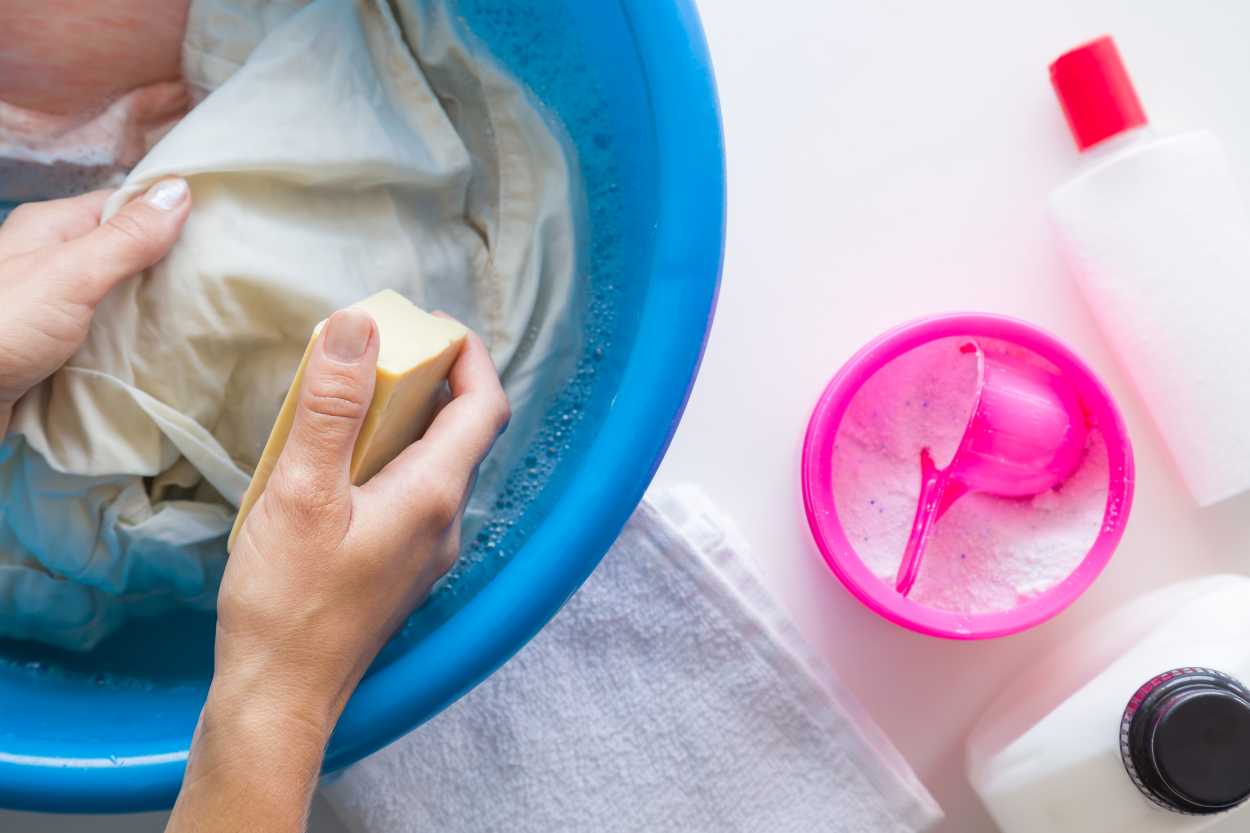
We explained how to remove bleach stains and how to camouflage them, but it is important to pay attention to the following details when removing bleach stains, keep them in mind:
- Bleach stains become harder to remove as they get older.
- For this reason, it is important to treat the stain as quickly as possible.
- You should definitely pay attention to the type of fabric that has the bleach stain.
- If the intervention you make on sensitive tissues such as wool or silk is not correct, you may get bad results.
- Regardless of the type of fabric, you should first try the method you have chosen for the intervention on a small, invisible area of the fabric.
- You should definitely wear gloves when using bleach, and similarly, when removing bleach stains, you should wear equipment that will protect you according to the method you choose, not gloves or a mask.
- You should make sure that the area you are cleaning is well ventilated.
- You should protect your skin and respiratory tract from all kinds of chemicals, let's just say. Health first.
Comments
Post a Comment